


HHN2L: Hip Hop Into Learning
Educational Experiences
READ. HEAL. FLOW.
HHN2L uses creative expression and mentorship to support youth development, belonging, and confidence through meaningful learning experiences.

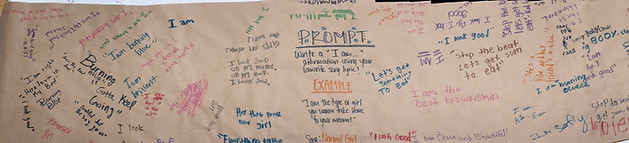


READ. HEAL. FLOW. is a mental health–centered learning experience that uses youth-created music, films, and media as instructional tools for lessons with students. Through guided facilitation and structured conversation, students engage with real, peer-created content to explore emotions, identity, and well-being in ways that promote healing, understanding, and connection.

READ.
Students read and listen to youth-created media, engaging with the text in both written and visual form to explore meaning, emotion, and message.
HEAL.
Students engage with youth-created media in both written and visual form, reading the text while viewing or listening to the media. Using guided notation and discussion students reflect to process emotions, explore perspectives, and make meaning of the messages presented. This step creates space for connection, dialogue, and emotional understanding before students move into expression.
FLOW.
Students respond through writing, reflection, or structured discussion, analyzing their thoughts and feelings sparked by the media. This step strengthens emotional literacy and communication skills, giving students healthy ways to express what they are experiencing

What Is Youth-Created Media?
Youth-created media refers to music, films, and digital content created by young people that reflect their lived experiences, emotions, and perspectives. At HHN2L, this media centers authentic youth voice and serves as a meaningful entry point for learning, reflection, and conversation.
Because the content is created by peers, students often see themselves reflected in the stories, making the learning experience more relatable, engaging, and impactful.
Featured Youth-Created Media and Topics
My Disguise
Focus: Identity and self-expression
My Disguise is a youth-created song that explores identity, self-perception, and the emotions young people often hide. The piece invites students to consider how identity is shaped and expressed through personal experience.

The Last Hit
Focus: Mental health and decision-making
The Last Hit is a youth-created short film that examines mental health, peer pressure, and the impact of difficult choices. The film reflects real experiences faced by young people and creates space for thoughtful reflection and discussion.

Leadon Pawley —
My Story Speech
Focus: Resilience and navigating trauma
My Story is a youth-delivered speech by Leadon Pawley that explores resilience and the impact of parent addiction, highlighting strength, reflection, and the power of sharing one’s story.
What Does a READ. HEAL. FLOW. Session Look Like?

Session begins with students listening to a piece of youth-created media: songs, a scene, or a spoken-word piece created by someone their age or older.

As they listen, students mark lyrics or moments that stand out. Some connect to the emotion. Some recognize the story. Some sit quietly, processing.
Conversation follows — not forced, not rushed. Students are invited to name what the media brings up and to listen to one another with respect.
.jpg)
The session ends with expression. Students write, journal, or respond creatively, using their own words to make sense of what they felt and learned and process how they could use the information for their own growth.
Who is READ. HEAL. FLOW. Designed For ?


Facilitated in Partnership.
READ. HEAL. FLOW. is designed to meet the unique needs of your students and align with your mission. Our youth-created media and learning topics are developmentally responsive, engaging both younger and older students. We partner with you to co-design and facilitate experiences that best support your community.


Are you looking for programming for Red Ribbon Week?
READ. HEAL. FLOW. offers a youth centered approach grounded in what research shows works. Using youth created media and guided dialogue, students engage in meaningful conversations about pressure, choice, and resilience, building connection and decision making skills without relying on fear based messaging.